

-
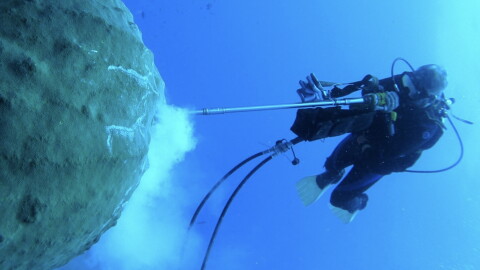 National Oceanic and Atmospheric AssociationThe Gulf’s Flower Garden Banks has been viewed as healthy, but a new study shows signs of damage.
 -
 Kathleen FlynnSpaceX wants to build one of the biggest spaceports in the world on the Louisiana coast—a sprawling $100 billion complex near tiny Pecan Island, where marshes, birds, and generations of coastal communities are already living with a rapidly changing landscape.


-
 At approximately 1,332 square miles, the low oxygen area is the second-smallest in four decades of measurement.
 -
 Throughout Western history of conservation, protecting nature has often meant removing people. It's what happened during the creation of many of America's national parks. But what if protecting nature didn't have to mean displacing the people who call it home? That's the question that brings us to Culatra, a small fishing island off Portugal's southern coast, and one of the country's seven natural wonders.For decades, the Portuguese government saw only one way to save the fragile lagoon surrounding Culatra: kick out the residents. This episode follows one woman's decades-long fight for her island — and the unlikely alliance she built along the way with the very scientists once sent to evict her.
 -
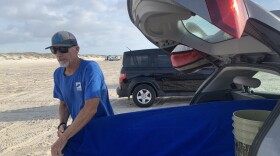 Neil McQueen learned to surf as a Texas teenager, and it changed his life – eventually pulling him away from a career as a plastics engineer and into the fight to save the very waters that shaped him.
 -
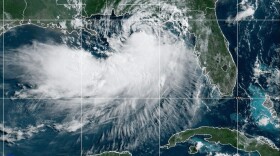 The largest impacts from the storm are expected to be concentrated south of the I-10 corridor.
 -
 In the Netherlands, water has always been both a threat and a triumph. A quarter of the country lies below sea level, and for centuries the Dutch have engineered their way to safety. It’s a place not unlike New Orleans: a delta shaped by risk, resilience, and the belief that with enough ingenuity, water can be controlled. But as sea levels rise, that centuries-old confidence is beginning to crack.
 -
 Public officials, experts and advocates agree the fee is needed to make up a funding gap, but are split on how it should be carried out.
 -
 This is part 3 of our three-part series about elements. And today is a biggie: carbon. When we hear about carbon, it's usually about its role in heating up the planet. And while that's an absolutely critical part of the story, the story of this most miraculous of substances is so much larger.
 -
 The pipeline would have been a part of Air Products and Chemicals’ carbon capture complex, which the company tabled last week.
 -
 The National Oceanic and Atmospheric Administration expects the oxygen-depleted zone to be about the size of the state of New Jersey.
 -
 We interviewed more than 50 experts to create a community toolkit. It lays out how ordinary people can respond — and how communities can prepare to handle projects beforehand.


