

-
-
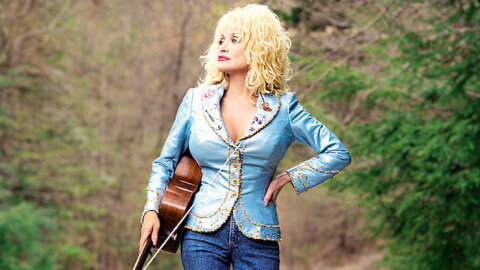 This is American Routes digging into the archive for one of my all-time favorite interviews with the late Dolly Parton in 2000. Dolly passed away on August 25, 2026.


-
-
 This is American Routes, following the roots of doo-wop music into rock and roll as part of the life of singer and songmaker Dion DiMucci. Dion was born into a Bronx, New York Italian family in 1939. His father was in vaudeville. Dion gained notoriety as a singer with an appearance on American Bandstand. Back in the neighborhood, he made street music called doo-wop. I asked Dion how an immigrants’ son from the Bronx was able to channel the Southern music of his youth into doo-wop and rock and roll.
 -

-
 Get out your Crayolas and sketchpads, as we fill in the spectrum of musical colors. Red-hot jazz, cool blues, what we see when we hear music. All those feelings will come to light as we dig back into the archives for our epic interview with the late New Orleans piano professor Henry Butler about his eclectic musical vision.
 -
-
 This summer, more than ever, the challenge is to be and stay cool. So we’re all about songs and sounds as ways to chill out. We asked musicians, critics and producers just what it means to be cool. The late Chicago pianist Ramsey Lewis had a huge hit with a song about cool people, “The ‘In’ Crowd," back in 1965. It was recorded live at the literally underground Bohemian Caverns in Washington, DC. Ramsey Lewis was also known for adapting tunes like "A Hard Day's Night,” “Hang On Sloopy” and "Dancing in the Street" into hip jazz instrumentals. Ramsey Lewis told us he made his own brand of jazz by blending the blues he heard on the Chicago streets with gospel music from home.
 -
 The Historic New Orleans Collection spotlights Brittany Francois, survivor of the 2025 terrorist attack on Bourbon Street and president of the Fourteens Foundation.
 -

-
 Country singer Kelsey Waldon grew up in the Ohio River bottoms of Ballard County, Kentucky, a place called “Monkey’s Eyebrow,” where her father runs a hunting lodge and her mother’s family has been farming for generations. Kelsey started writing songs at a young age, went to Nashville at nineteen, played in bars, studied songwriting and later released noted albums that landed her on stage at the Grand Ole Opry. It was there with the now late songman John Prine that she agreed to join his label, Oh Boy Records, in 2019, the first artist Prine had signed in fifteen years. Kelsey counts John as a mentor, but remembers the first encounter with music came from her nanny.
 -
 The Gulf States Newsroom’s Joseph King went to a few games at the 76th annual Choctaw Indian Fair to report on one of the oldest sports in the nation.


