

-
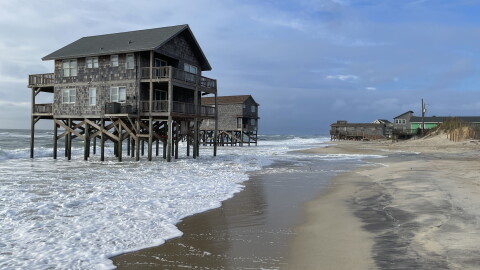 Cape Hatteras National Seashore/NPSWe love our beaches. We build homes beside them, vacation on them, and spend billions of dollars trying to keep them from disappearing. But beaches are supposed to move—and as sea levels rise, keeping them in place is becoming more expensive, more difficult, and possibly impossible.So what happens when the sand, the money, and the time start running out?
 -
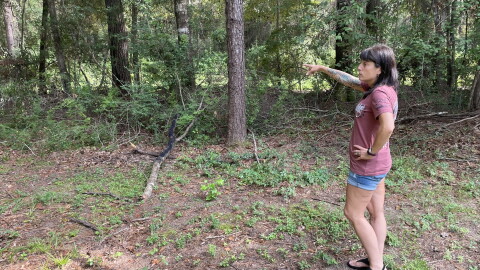 Eva Tesfaye/WWNO & WRKFNearby residents are concerned that the excavation project would bring traffic issues, along with air and water pollution.


-
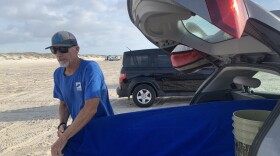 Neil McQueen learned to surf as a Texas teenager, and it changed his life – eventually pulling him away from a career as a plastics engineer and into the fight to save the very waters that shaped him.
 -
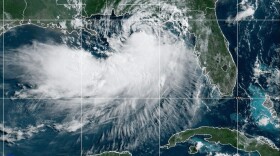 The largest impacts from the storm are expected to be concentrated south of the I-10 corridor.
 -
 In the Netherlands, water has always been both a threat and a triumph. A quarter of the country lies below sea level, and for centuries the Dutch have engineered their way to safety. It’s a place not unlike New Orleans: a delta shaped by risk, resilience, and the belief that with enough ingenuity, water can be controlled. But as sea levels rise, that centuries-old confidence is beginning to crack.
 -
 Public officials, experts and advocates agree the fee is needed to make up a funding gap, but are split on how it should be carried out.
 -
 This is part 3 of our three-part series about elements. And today is a biggie: carbon. When we hear about carbon, it's usually about its role in heating up the planet. And while that's an absolutely critical part of the story, the story of this most miraculous of substances is so much larger.
 -
 The pipeline would have been a part of Air Products and Chemicals’ carbon capture complex, which the company tabled last week.
 -
 The National Oceanic and Atmospheric Administration expects the oxygen-depleted zone to be about the size of the state of New Jersey.
 -
 We interviewed more than 50 experts to create a community toolkit. It lays out how ordinary people can respond — and how communities can prepare to handle projects beforehand.
 -
 The storm dumped rain across the region — some areas saw 6 to 9 inches in a matter of hours.
 -
 This is part 2 of our 3-part series about elements. Last time we met nitrogen, today, it’s partner in crime and in life – phosphorus.


