

-
 The Historic New Orleans CollectionThe Historic New Orleans Collection spotlights Francis Castillo.
 -


-
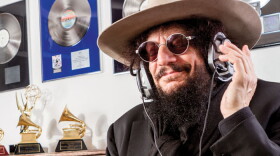 Record maven Don Was developed an ear for music in the Motor City. He made his way into studio recording with his band, Was Not Was, teaching himself how to pick and mix music. After striking out for LA in pursuit of his destiny, Don began racking up Grammys as a producer. He’s worked alongside Bryan Wilson, the Rolling Stones and Randy Newman, among others. In 2012, Don became president of Blue Note Records, the label that introduced him to his love of music.
 -
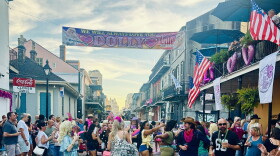 Country music legend and world-renowned philanthropist Dolly Parton passed away just over a month ago. New Orleans honored her by doing what the city does best: a second-line jazz funeral.
 -
 70 years ago, Elvis Presley returned to his hometown for one of his most iconic performances. The town celebrated the anniversary with a faithful recreation.
 -
 The Historic New Orleans Collection spotlights Nahomi Gomez.
 -
-
 Although Neville Brothers singer Aaron Neville is famed for his updating of the old inmates song “Angola Bound,” it was his brother, the late saxophonist Charles Neville, who actually did time at Angola Prison. He was among many great musicians who were sent to the penitentiary for drug offenses. One of his great contributions as an inmate was helping to racially and musically integrate prison life. Charles begins the tale with his arrest in New Orleans.
 -
-
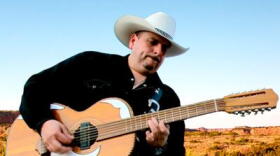 Max Baca grew up in New Mexico, playing in his dad’s band from age eight. After mastering bass and accordion, he picked up the bajo sexto, a Mexican twelve-string instrument featured in Tejano music. Max Baca Sr. took regular trips to Texas to introduce his sons to the conjunto scene, pioneered by his favorite accordion player, Narciso Martínez. Brothers Max Jr. and Jimmy channeled the San Antonio sound in forming their own band, Los Hermanos Baca. The Bacas were playing cantinas around New Mexico when Max got the call inviting him to tour with the Texas Tornados. He joined the ranks of his musical idol, Flaco Jiménez, and reconnected with the Texas tradition his father instilled. After Doug Sahm’s death in 1999, Max turned full attention to his own group, Los Texmaniacs. The band’s record Borders y Bailes won the Grammy for best Tejano album in 2010.
 -

-
 Who was Harry Smith? The short answer about the 20th century polymath and hustler might be divined in his legendary Anthology of American Folk Music from 1952, an LP collection of mostly Southern US folk music on 78rpm records. The Anthology established a cult of listening and influenced popular and folk revival artists from John Sebastian and the New Lost City Ramblers to rockers like Jerry Garcia of the Grateful Dead and Beck. In addition to music recording and wide ranging research into tribal and other cultures, Harry Smith was a painter on canvas and on film. He was a profound thinker and worker in the American vernacular.


